The stones · II
Sapphire
Corundum in every colour but red. Most of the blue on the market has been through a furnace; I buy the small fraction that has not, and I buy it at origin.

What I buy
Blue sapphire is where heat treatment is nearly universal, which is exactly why the unheated stone is worth the search. I buy unheated Ceylon sapphire from the Ratnapura gravels — cornflower to royal blue, with the soft light that silk gives — and unheated Madagascar sapphire from Ilakaka, which delivers the same beauty at a gentler price when the paper is clean.
Kashmir I do not visit; the deposit has been quiet for a century. Kashmir stones reach me from old collections and estates, and each one is bought on its laboratory origin report, never on its story. Padparadscha, the pink-orange of the lotus, is bought only with an unheated report and a specific line ruling out beryllium diffusion, because that is where the fakes of this decade live.
The right sapphire for a collection is a clean stone between two and eight carats whose colour reads the same at the window and across the room. Colour zoning, a grey mask or a window costs more in value than a small feather ever will.
How I judge it
- Daylight, then the room: a fine blue does not go inky at the far end of the table.
- Tone before saturation. Dark is not rich; the stone must still light up in low light.
- Zoning: turn the stone face-up; the colour must fill the crown, not sit in one corner.
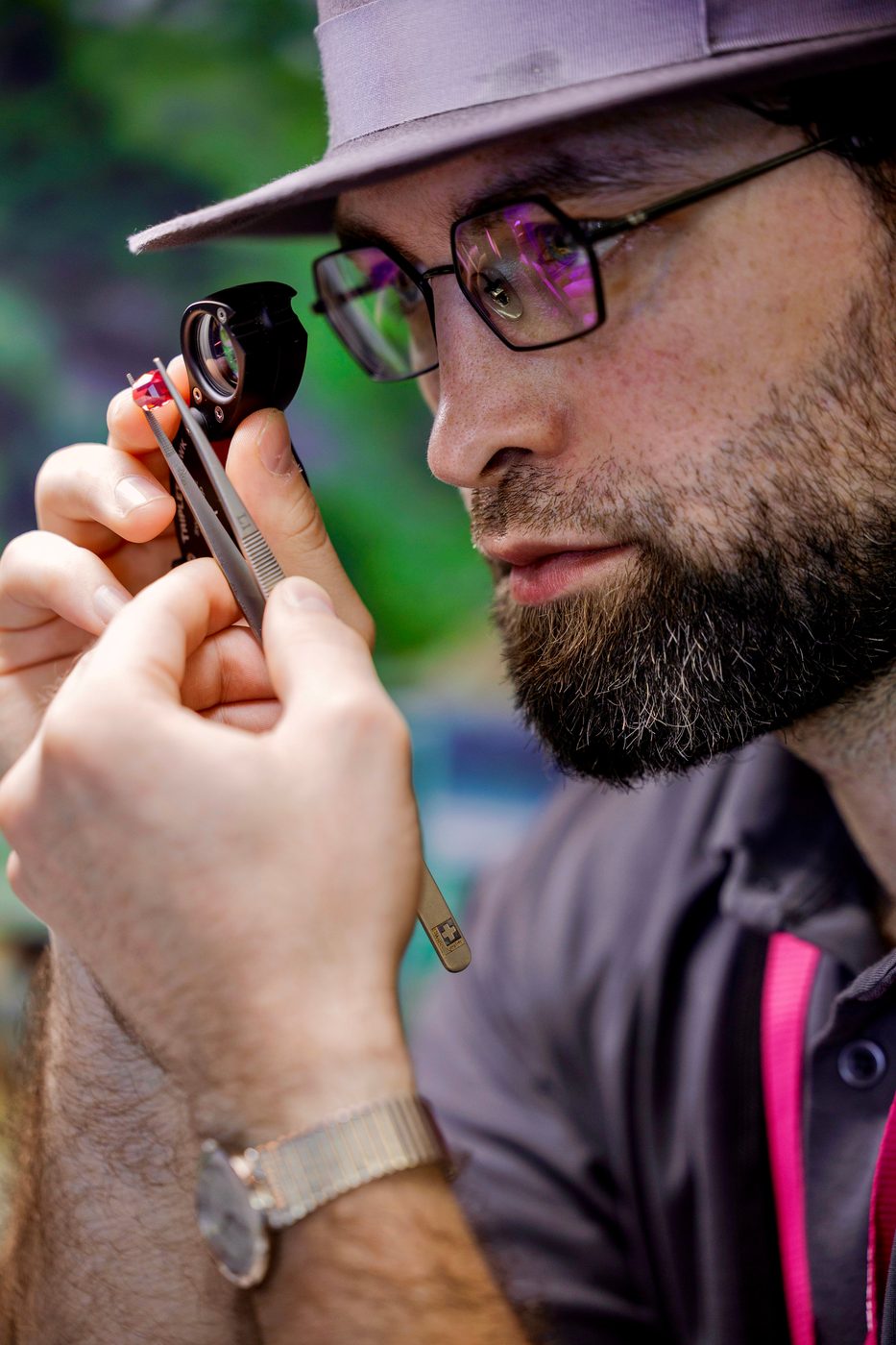
- Silk: fine needles soften the light. Their intact edges also say the stone was never heated.
- Extinction under tone: too much black in the pavilion means the cut chased weight.
- The report: origin, no indications of heating, and no evidence of diffusion. Nothing else counts.
Read further
The guides

Ceylon Sapphire

Padparadscha Sapphire
Sapphire: Properties, Origins, Treatments and Value

Star Sapphire and Star Ruby: Asterism Explained
From the field

Madagascar Sapphire: Ilakaka and the Modern Market

Kashmir Sapphire: Why Origin Sets the Price



Questions collectors ask
Why does unheated matter so much for sapphire?
Because heating is so common that an unheated stone of fine colour is genuinely scarce. The laboratory can tell the difference from the inclusions, and the market pays a premium that has widened every decade.
Can you find Kashmir sapphire?
Occasionally, from old collections, and only with an origin report from a leading laboratory. Kashmir is not a place I travel to; nobody mines there today in any meaningful way.
What colour should a fine blue sapphire be?
A saturated blue of medium tone with no grey and no green: cornflower or royal blue depending on the depth. It should hold its colour under an ordinary lamp, not only under a jeweller’s light.